A Marketer’s Tour of Vietnam — Part 2: Navigating Cities, Countryside & Sleeper Buses
Airports & Arrival
First things first — getting to (and through) Vietnam. Most likely you’ll fly into one of the major airports: Noi Bai (Hanoi) or Tan Son Nhat (Ho Chi Minh City). They aren’t the worst airports I’ve been to, but they have their challenges. If you’re going through immigration, expect to wait in line — sometimes up to three hours before an officer even looks at your passport. Citizens of many EU countries get 45 days of visa-free travel; U.S. citizens need a visa but can stay up to 90 days.
Once you’re in the country, how you travel in and between cities is up to you.
Motorbikes: Vietnam’s Primary Mode of Urban Travel
One thing you must know is that motorbikes and scooters are the main form of transportation in Vietnamese cities. Cars aren’t that common, so don’t feel you need to rent one. Take a taxi or shuttle if necessary, but motorbikes are the way to get around. There’s something charming about the constant whooshing and beeping; it becomes a sort of urban chirping. Many accommodations offer bikes for rent.
Vietnam has built a reputation as a motorbike country because locals and travelers alike embrace two-wheeled freedom as the easiest, most efficient way to move through crowded streets and winding countryside. The endless sea of helmets, buzzing engines, and beeping horns has become an iconic image that draws adventurous visitors wanting an authentic, kinetic slice of daily life. For backpackers, that image is part of the appeal because the experience promises spontaneity, cheap mobility, a little chaos, and the chance to slip off the tourist trail at a moment’s notice.
One of my favorite cities in Vietnam is Phong Nha. It’s a small tourist town that mostly shuts down around 10 p.m. (except for a couple of tourist bars). It’s known for easy access to nature attractions like the Botanical Gardens, Paradise Cave, and the Son River. What made it extra special for me was renting a motorbike every day of my near-week stay and riding through the countryside, up and down mountains, surrounded by lush greenery that transports you to another world. Fun fact: Kong: Skull Island (2017) was heavily filmed in Vietnam, utilizing the country's dramatic limestone karsts, caves, and lush landscapes to represent the monstrous home of King Kong.
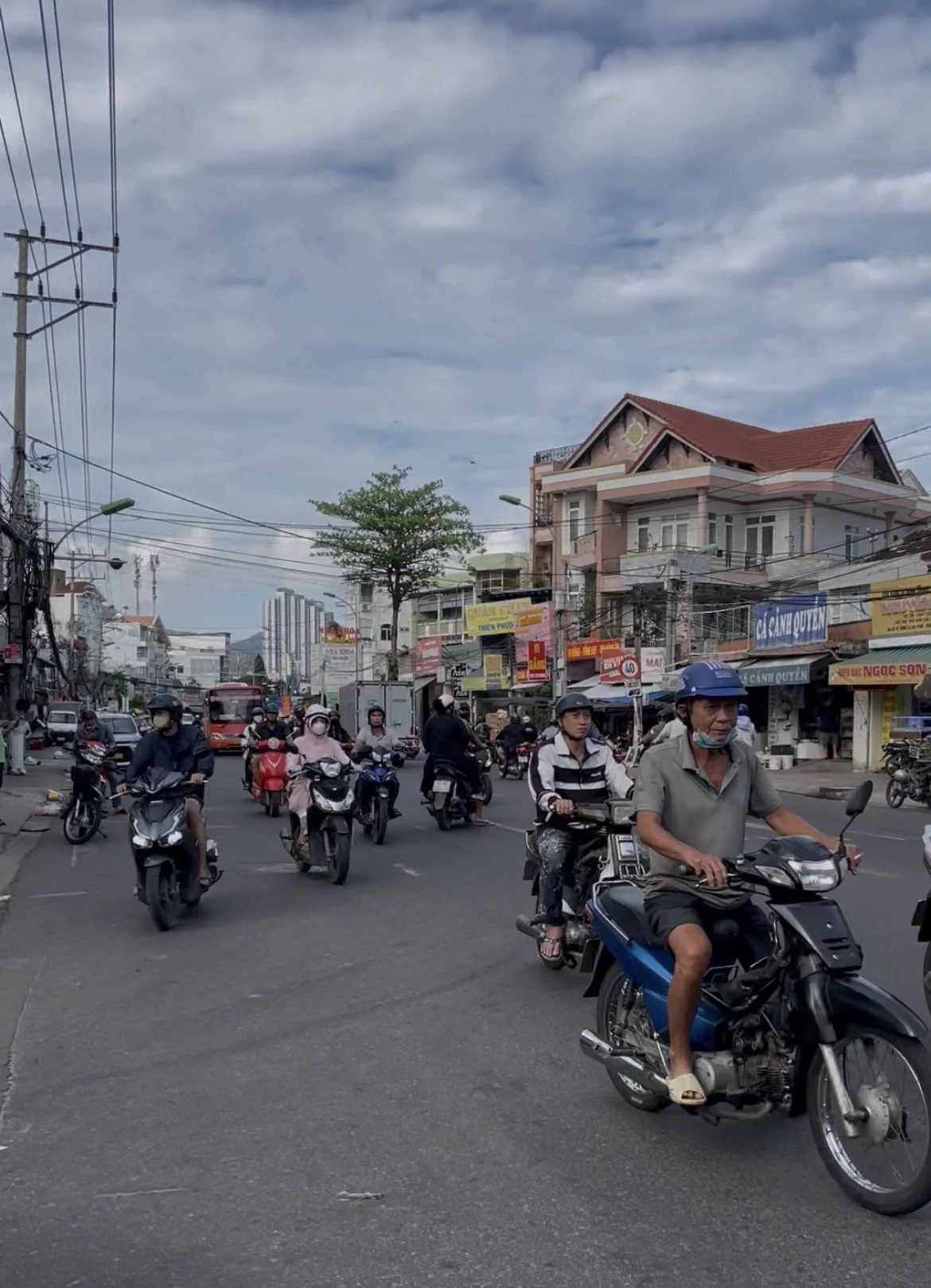
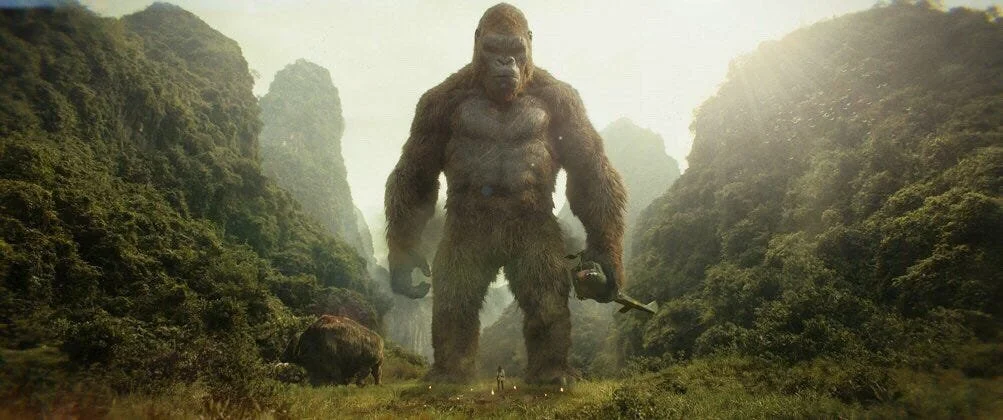
Photo credit: Medium
While cruising through the countryside on a motorbike sounds like a great afternoon in Vietnam, I wouldn’t dare ride one in the big cities like Saigon or Hanoi. There is a certain flow to how motorists maneuver those roads that it would take plenty of hands-on practice before you can feel comfortable; even crossing the street as a pedestrian is an exercise in nerve and timing. Don’t pause or hesitate, just keep moving. But in smaller places like Phong Nha, Ninh Binh, and Hoi An, where roads are less crowded and the scenery is lovely, motorbikes and scooters are a great, local-style way to explore Vietnam.
Sleeper Buses: My Preferred Long-Distance Option
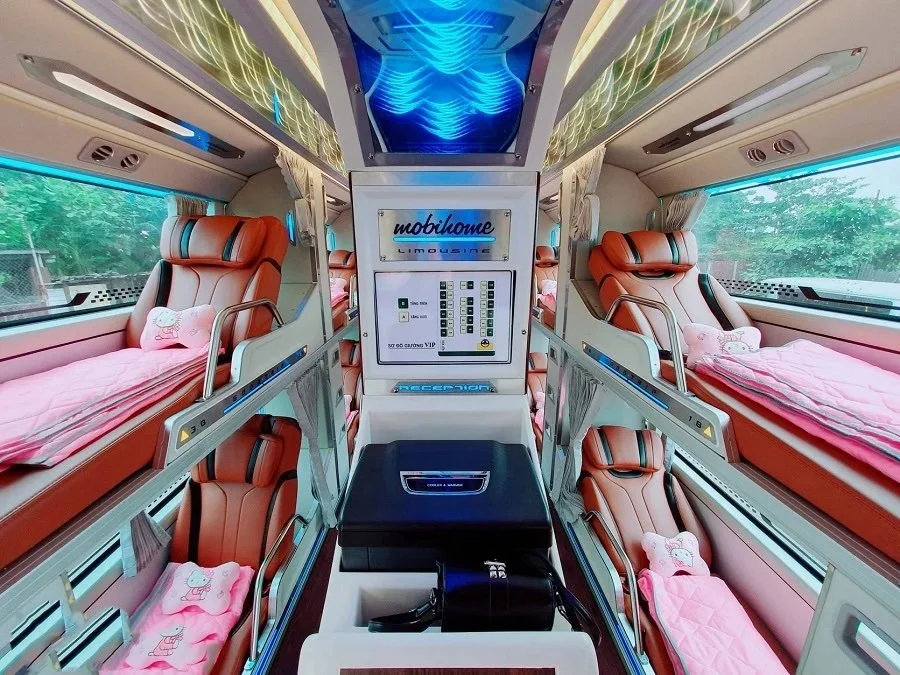
Photo credit: Vinpearl
When it comes to traveling between cities, I try to avoid flying. Personally, I hate flying. It’s not the flight itself, but the airports. They’re crowded, the lines are long, and there is a palpable tension in the air. If you fly a budget carrier (looking at you, VietJet), frustrations multiply. A one-hour flight can turn into half a day of movement and stress. Not worth it for me. That is not a dig at Vietnam’s airports. They are about as good as airports anywhere. I just hate airports and flying in general. So for long-distance travel from city to city in Vietnam, I usually choose a different way to move: sleeper buses.
Vietnam has also earned a reputation as a sleeper-bus paradise for budget travelers who value convenience without the fuss of airports. Reliable, comfortable overnight routes connect major hubs and off-the-beaten-path destinations, letting backpackers save on a night of lodging while making steady progress down the coast or inland.
Sleeper buses are one of the most popular ways to travel the country. If you pay a bit more and pick a reputable company, they will get you from A to B reliably, with minimal stress and quite a bit of ease. The process is simple: the company tells you what time your bus leaves and from which station, you arrive 30 to 45 minutes early, drop your bag in the undercarriage, and hop on to the cabin where you can comfortably lie down and nap as you roll through the Vietnamese countryside. On a good bus the ride is smooth, scenic, and pleasant. Drivers usually stop every couple of hours for restroom breaks or coffee and snacks.
That said, beware of lower-end companies. You might end up on a beat-up bus with a reckless driver who speeds, honks constantly, and chainsmokes with his window open, all while you sit in a dingy, moldy cabin sharing space with a cockroach (yes, learned that the hard way). Still, overall, I believe sleeper buses are the best way to travel through Vietnam: affordable, bookable a few days ahead, and convenient. Just do your research and choose a highly rated operator; sometimes the higher price is worth it because you really do get what you pay for.
I didn’t take the trains, but I’ve heard they are slow but reliable. Like sleeper buses, comfort varies with how much you pay. Trains avoid airport headaches but bring their own quirks. For me, sleeper buses win.
Mobility as Brand — How Motorbikes & Sleeper Buses Power Authentic Reach
Vietnam’s motorbike culture and sleeper-bus network are a strong, tangible brand asset. They communicate a clear promise: mobility that’s affordable, flexible, and inherently social. That promise is experienced, shared, and amplified at every touchpoint. Helmet racks at hostels, roadside coffee stops, scooter rental counters, bus terminals, and the millions of candid photos and short videos travelers shoot while in transit all help to paint the picture of what traveling through Vietnam looks like. In short, the nation has built a brand around mobility and discovery.
Vietnam has cultivated the motorbike culture and the sleeper-bus network to create a unique travel ecosystem that feels accessible, social, and endlessly discoverable — exactly the kind of scene that keeps travelers coming back.