A Marketer’s Tour of Vietnam — Part 3: From Poolside Luxury to Party Hostels
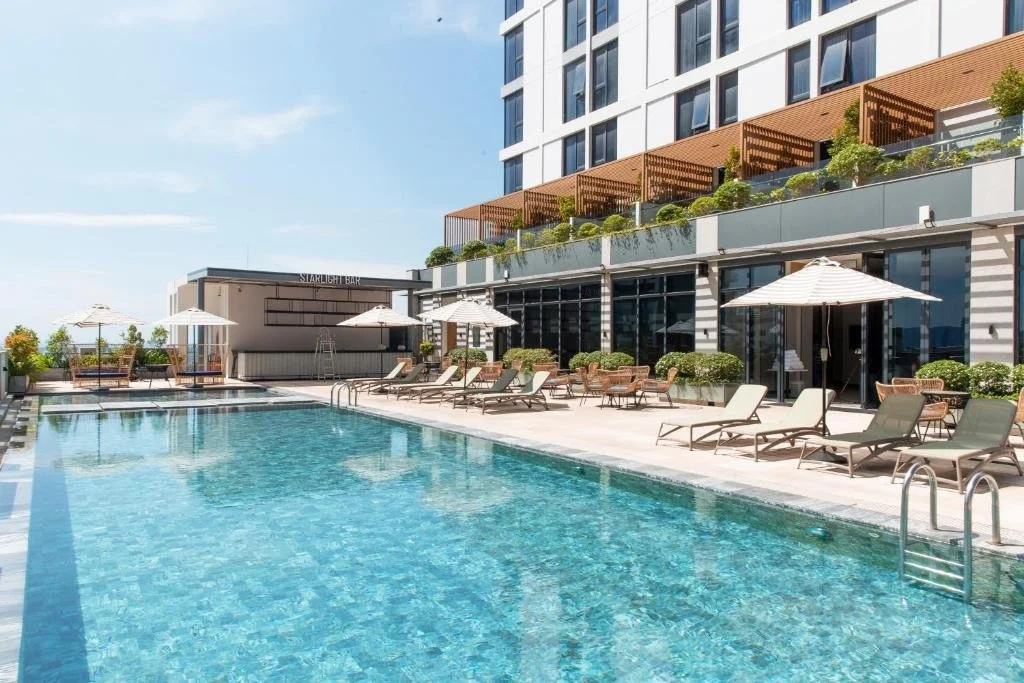
Photo credit: Booking
After traveling extensively through Vietnam and sleeping in countless hostels, homestays, and the occasional upscale hotel, you start to notice that each place tells its own story. I’ve learned the best stays share a set of repeatable, observable behaviors that consistently deliver high-quality experiences, stress-free bookings, shareable moments, and, ultimately, guest loyalty. Below are two brief examples from Nha Trang and Quy Nhon that show what it looks like to truly deliver on the promise of a great stay.
After what felt like an endless stretch of hostels and homestays, I needed a reset... something more refined. So I checked into Anya Beach Hotel Quy Nhon. That personal reset (pool laps, a spa treatment, room service—spaghetti carbonara delivered straight to my room—and a quiet, well-lit space for uninterrupted work) was exactly the indulgence I needed. It was also a chance to put a four-star hotel’s promised experience to the test.
It delivered.
ANYA, Your Place for Luxury by the Sea
Anya’s acronym—ANYA (Acumen, Nimbleness, Yearning, Amazement)—acts as an organizing idea that shows up in every touchpoint, from warm service cues to the sensory language used to sell the experience. During my stay, I saw those values play out in real time through both service and quality. The brand’s two-property strategy, rustic sophistication at Anya Premier Beachfront and minimalist, youthful design at Anya Beach, creates clear audience segmentation: couples and luxury seekers on one side, younger, design-minded travelers on the other. That clarity simplifies targeting and sharpens messaging, so when guests like me arrive expecting comfort and luxury, the experience delivers.
My solo “treat yourself” day unfolded exactly as a well-orchestrated guest journey should: arrive, relax, dine, recharge. Experientially, the hotel strikes a balance between poetic storytelling and operational proof. Its identity leans into Quy Nhon’s natural beauty and local culture, creating emotive content that carries across marketing campaigns and the physical property itself. At the same time, reliable high-speed Wi-Fi, a calming spa, a pool with sweeping city views, and thoughtfully designed room features make the stay feel unmistakably premium.
From a marketing standpoint, Anya succeeds by aligning brand promise, product differentiation, and operational delivery. Every piece of creative, online or onsite, points to real, demonstrable experiences rather than vague, aspirational claims. That alignment makes influencer partnerships, testimonial videos, and segmented landing pages far more persuasive, because the on-property experience confirms the story. They clearly understand a simple truth: promise what you can reliably deliver.
Hostels, on the other hand, are usually framed as bare-bones, budget alternatives, and oftentimes, the experience reflects the price (you get what you pay for, right?). But FUSE Nha Trang Hostel proved that even budget-friendly stays can promise and deliver something far beyond expectations.
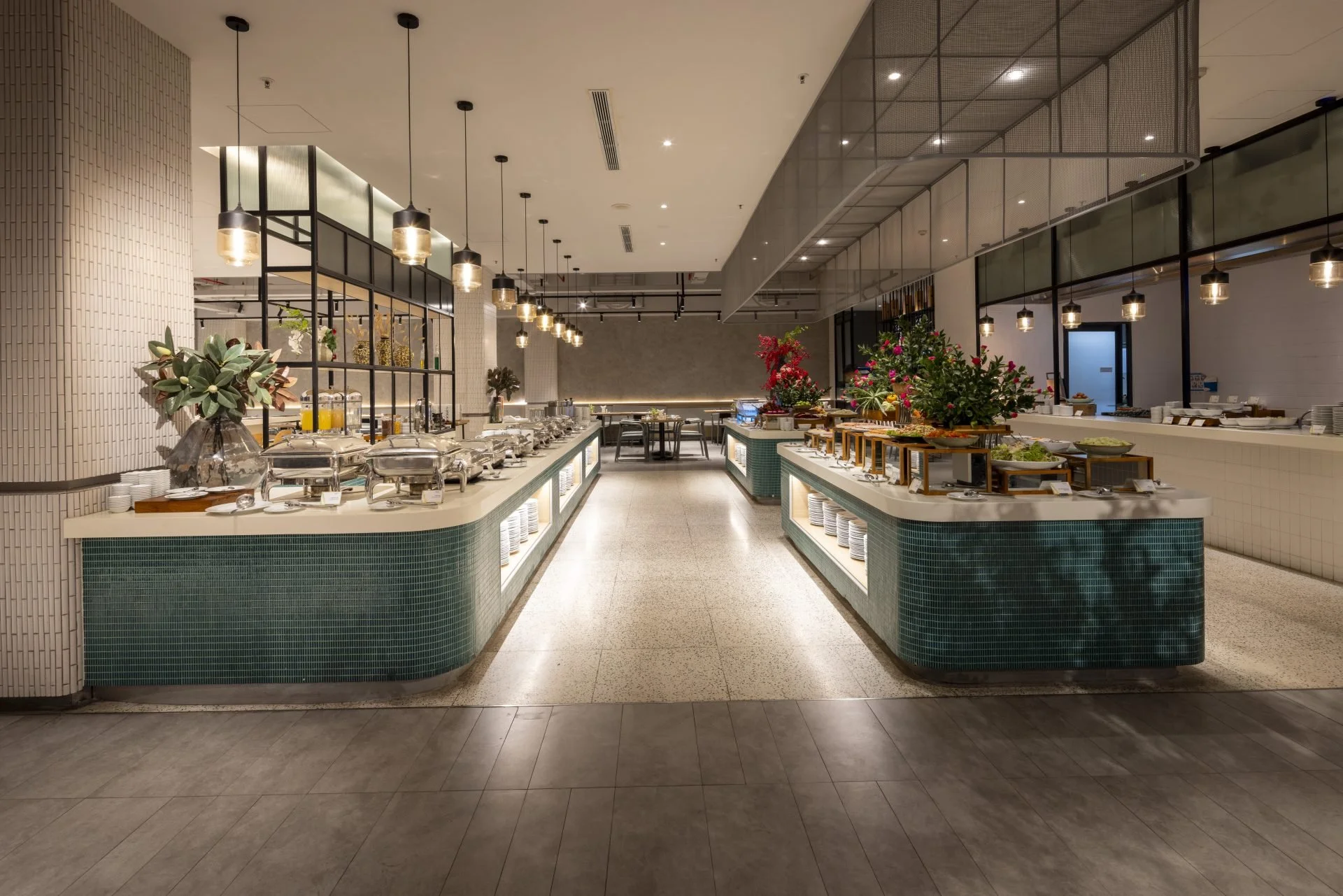
Photo credit: Anya Hotel Group
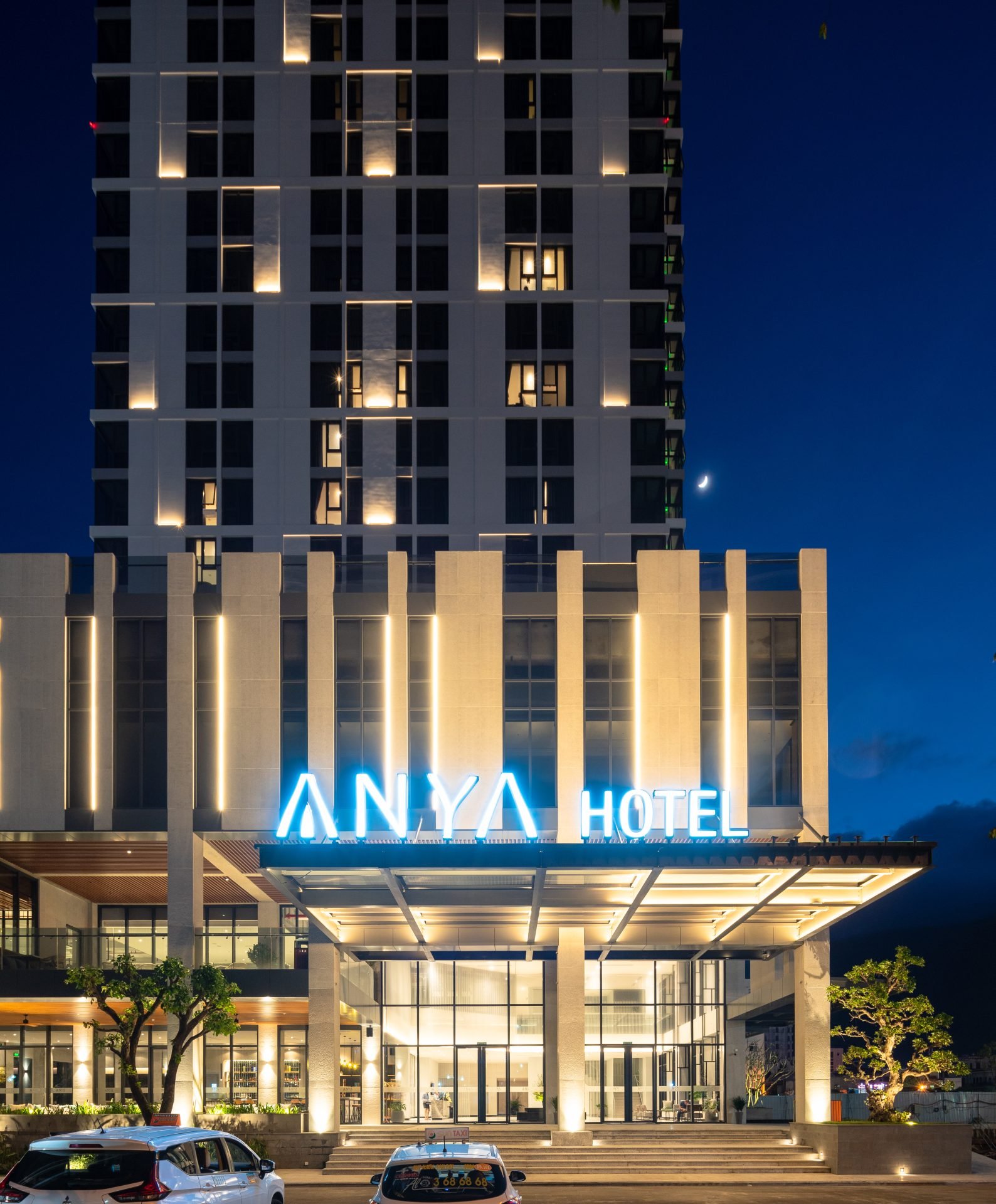
Photo credit: Anya Hotel Group
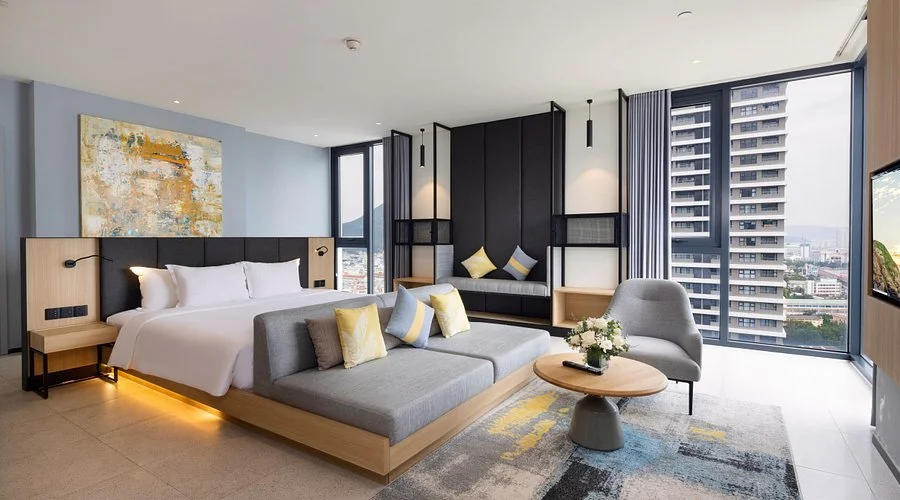
Photo credit: Tripadvisor
Hostels Don’t Have to Mean Sacrifice
The 15-story FUSE Nha Trang Hostel sits in a prime location, less than a 10-minute walk from the beach, with top-floor views that rival neighboring high-end hotels. The decor is bright, colorful, and energetic, reinforcing the lively atmosphere. Amenities include a rooftop pool, a lounge with bar games, and a shared kitchen and bar. The rooms and facilities are modern and meticulously clean.
FUSE Hostels & Travel is a small, specialized group operating in Vietnam, with locations in Nha Trang and Hoi An. It’s a centrally managed brand built around community and adventure. Across locations, the hostels maintain a consistent, high-energy, social “party” vibe, anchored by branded events like nightly activities and curated excursions.
Their “FUSE Cruise” is pitched as a full-day excursion across the crystal-blue waters of Nha Trang Bay and it delivers on that promise with a well-balanced mix of exploration and energy. The day unfolds as a leisurely boat trip between lush islands, with stops at multiple snorkeling and swimming spots. Guests can jump off the top deck, lounge in the sun, or just take in the scenery at their own pace. In between dips in the water, the crew serves a Vietnamese-style, family-style lunch on board, alongside all-inclusive drinks that keep the atmosphere light and social. There’s also room to dial things up, with optional add-ons like jet skis, parasailing, and banana boats. For $45, it’s a tightly packaged, all-inclusive experience that turns a simple day on the water into something both easy to buy and easy to share.
What truly makes FUSE stand out, though, is its amazing people. Throughout my stay, volunteers were everywhere—hosting, guiding, answering questions, and shaping the atmosphere. They’re not just part of the experience; they are the experience. These volunteers, often foreigners on special visas, work in exchange for room and board while acting as the brand’s front line. They stay on-site, run the front desk, organize activities, and interact constantly with guests. FUSE understands something many brands overlook: their people are the brand.
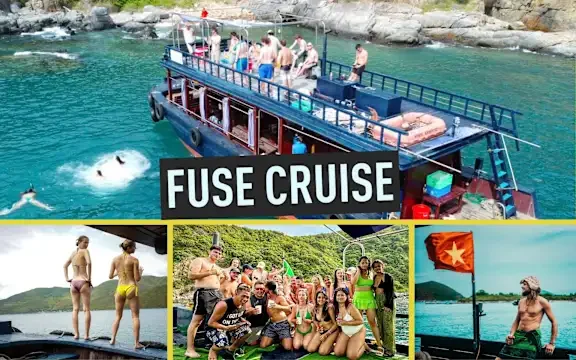
Photo credit: Hostelworld
“What truly makes FUSE stand out, though, is its amazing people.”
Photo credit: Fuse Hostels and Travel
From a marketing perspective, FUSE gets three things exactly right that any major hospitality chain would recognize: provable moments, people as brand, and packaged journeys.
Provable moments are the small, observable truths you can film, quote, and rely on: staff going out of their way to help, the stunning views from the FUSE Cruise, the visible care of the maintenance team. These moments make PR credible and influencer content feel natural rather than staged.
People as brand means staff and volunteers aren’t just employees; they’re storytellers. Every warm, funny, knowledgeable volunteer I met became a walking testimonial. They recommended local spots, led activities, and turned strangers into a community.
Packaged journeys are marketing gold because they’re inherently sellable. Take a single guest experience and turn it into a landing page, an email flow, a hero video, and an upsell path. Suddenly, you have a clear, direct revenue channel.
Small, visible actions reinforce all of this: volunteers seamlessly swapping shifts at the front desk, the branded FUSE Cruise, staff power-washing common areas in plain view. These moments signal care, consistency, and quality. Seeing cleaning happen publicly builds trust. Watching volunteers lead activities makes the brand feel human and repeatable. And experiences like the cruise—snorkeling, sharing meals, connecting with other travelers—become stories guests are eager to share, both online and off.
Be Authentic. Promote What’s Real.
Documenting what actually happens on-site is powerful marketing in itself. Guests, investors, journalists, and influencers don’t buy promises, they buy experiences that meet expectations. Marketing is less about clever copy and more about honest evidence. When hotels take the time to observe how they operate, capture their small rituals, and turn them into repeatable products, expectations, and stories that capture guests’ attention, they don’t just create better campaigns, they build brands that people trust, remember, and return to.