How JW Marriott Wins Unwavering Loyalty
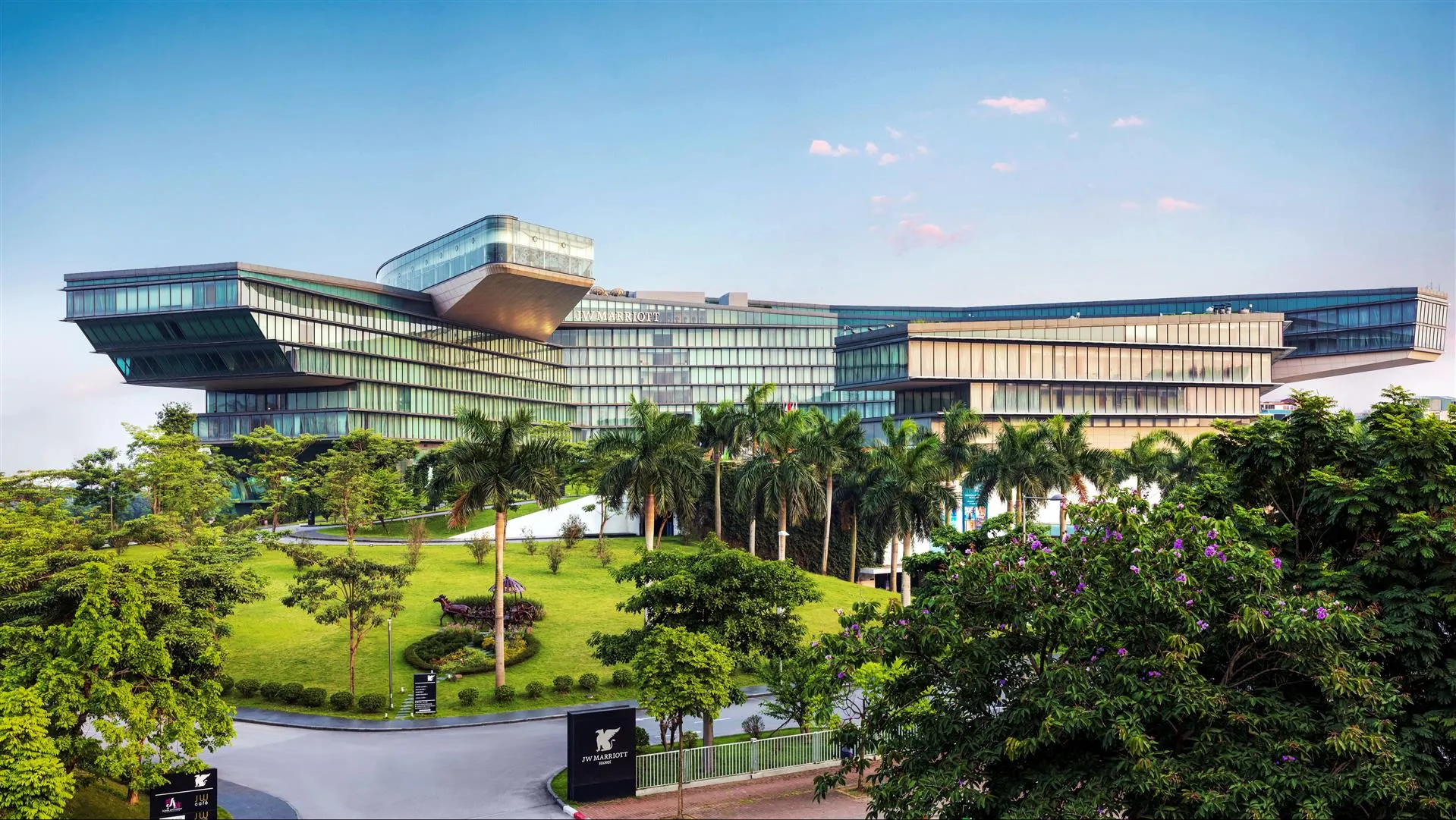
JW Marriott Hanoi
Why one couple stuck with JW Marriott — consistent luxury and peace of mind worldwide.
A recent friends’ trip through Southeast Asia opened my eyes to how deep brand loyalty can go, especially when traveling internationally. Where most of us opted for the thrill of gambling on whether the hostel we booked would have bedbugs, one couple in the group opted for reliable luxury and comfort by staying exclusively at the JW Marriott. For many unfamiliar with the brand, staying with the 5-star luxury properties gives guests a promise of peace and pleasure.
Here, you’ll find out why JW Marriott was the obvious choice for one couple seeking the perfect hotel experience on a global trip, what sets it apart as a brand, and how it has built a top-tier reputation for consistently delivering splendor, outstanding service, and top-tier amenities.
Hotels Over Hostels
Admittedly, I’ve only stayed at luxury hotels a handful of times in my life, and unsurprisingly, they’re undeniably enjoyable. To the uninitiated, it’s easy to assume they’re all essentially the same overpriced status signal. But after asking these friends about their loyalty to JW Marriott and digging into the brand myself, I began to understand what sets it apart, and how it has built a reputation for consistently delivering luxury, outstanding service, comfort, and top-tier amenities.
We began our journey in Bangkok and made our way through Ho Chi Minh City and Hanoi, exploring the cultures of the region and working on some exciting projects (stay tuned: more to come in the next few weeks).
Most of us decided to embrace the backpacker mentality so we mostly stayed in hostels, opting out of comfort and luxury in favor of the signature experience: meeting fellow budget-strapped travelers from around the world and taking advantage of low-price lodging.
One couple in our group, however, made a very different choice. They stayed exclusively at a JW Marriott at every leg of the journey. I was slightly envious of their deeply comfortable beds, rejuvenating showers, and attentive concierge, especially compared to stiff sleeping mats, spotty Wi-Fi, and rowdy dormmates that we encountered at hostels. What I was even more intrigued by was their unwavering commitment to a single hotel brand and what that says about their legacy.
Admittedly, I’ve only stayed at luxury hotels a handful of times in my life, and unsurprisingly, they’re undeniably fantastic. To the uninitiated, it’s easy to assume they’re all essentially the same—I certainly did, but after digging into the brand and asking these friends about their loyalty to JW Marriott, I started to see what makes the brand distinct and why travelers trust it for a rejuvenating and centering stay.
How JW Marriott Differs
At first glance, JW Marriott sits clearly within the luxury tier of global hospitality. Positioned above standard Marriott properties, the brand promises elevated service, premium amenities, and sophisticated design. Those first-glance qualities, however, only tell part of the story.
What truly distinguishes JW Marriott is HOW it defines luxury.
Rather than focusing solely on opulence or exclusivity, the brand centers its experience around mindful, holistic well-being. From bustling urban hubs like Singapore and Hanoi to resort destinations such as Cam Ranh Bay, the brand consistently emphasizes mindfulness, nourishment, and togetherness.

Rejuvenation by Marriott Bonvoy
“What truly distinguishes JW Marriott is how it defines luxury.”
A Brand Built on Mindful Luxury
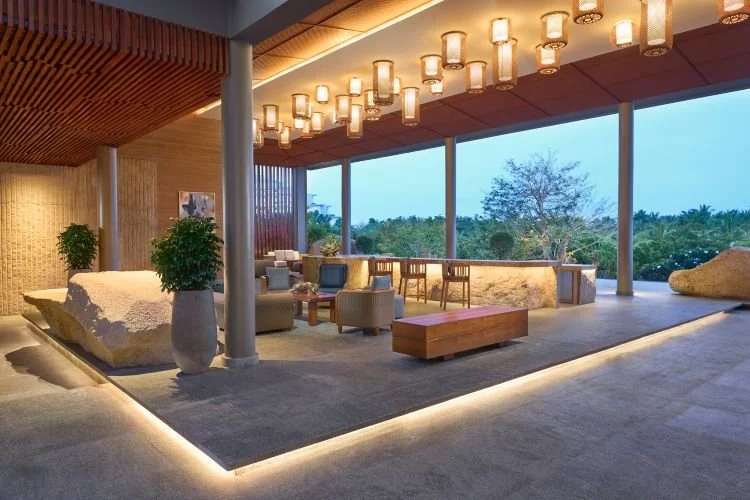
JW Marriott’s approach to luxury is rooted in intention. Properties are designed as sanctuaries: tranquil spaces that encourage guests to slow down, reconnect, and recharge. This philosophy shows up in subtle but powerful ways such as quiet reflection areas, wellness programs that incorporate meditation or breathwork, and layouts that maximize natural light, movable space, and a connection to nature.
This commitment to well-being traces directly back to the brand’s heritage.
Named after J. Willard Marriott, the founder of Marriott International, the brand reflects his belief that caring for oneself is essential to caring for others. That founder’s philosophy still influences the guest experience today, shaping a service model that prioritizes warmth, attentiveness, and genuine human connection.
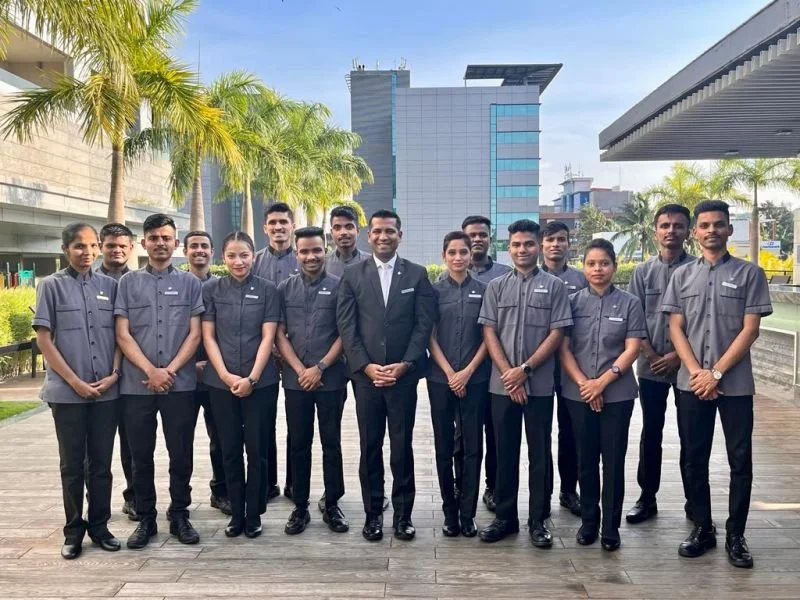
Quality, attentive service by JW Marriott Pune
Service as a Differentiator, Not a Feature
Of course, guests can expect the hallmarks of luxury: spacious rooms with premium finishes, fine dining, lounges, and extensive wellness facilities, but what consistently stands out is the quality of service.
JW Marriott staff are trained not just to anticipate needs, but to nurture a sense of ease and belonging. The result is service that feels personal rather than performative and refined without being rigid.
Design That Tells a Story
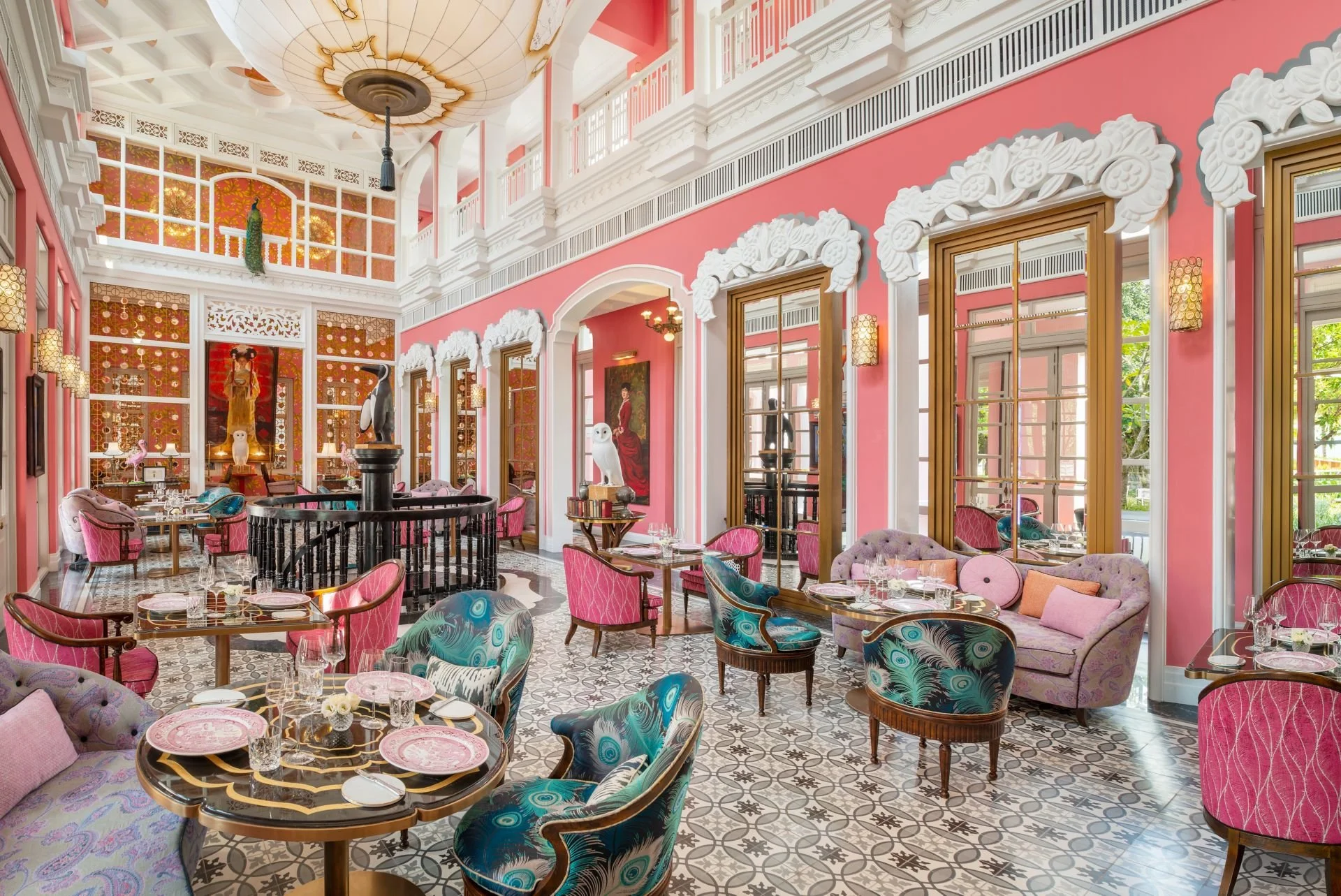
Unlike many luxury brands that rely on uniformity, JW Marriott leans into story-driven, locally inspired design. Each property feels distinct, often weaving cultural heritage, art, and architecture into the guest experience.
Some standout examples include:
JW Marriott Phu Quoc, designed as a whimsical, fictional French university—complete with themed buildings and playful details that transform the stay into an immersive narrative.
JW Marriott Cam Ranh Bay, which celebrates Vietnamese craftsmanship through features like its Pottery Club and eco-conscious design choices.
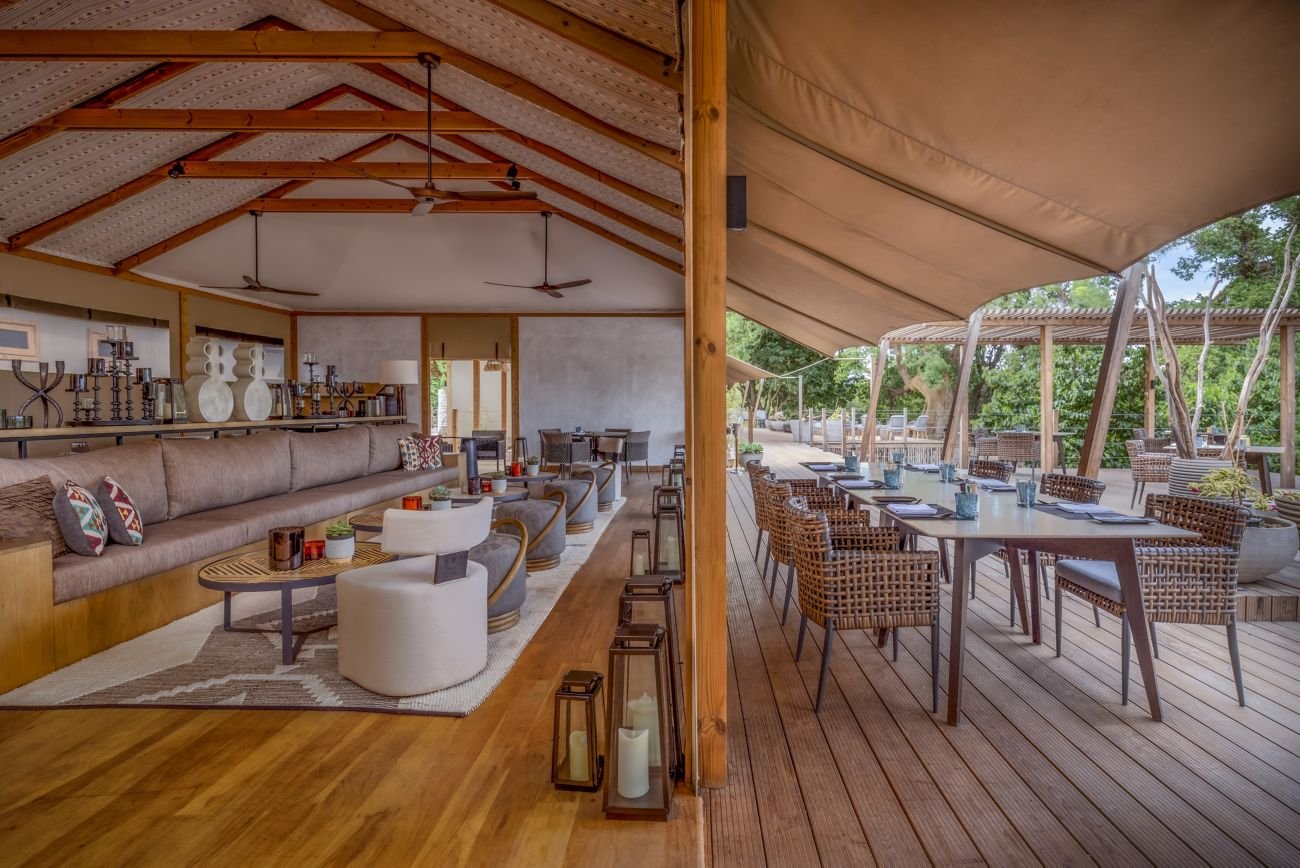
JW Marriott Masai Mara, where luxury meets immersion, offering guests a deeply respectful connection to wildlife and landscape through an elevated safari experience.
These strategic choices go beyond simple decorative flourishes and embed cultural depth and memorability into the brand.



More Than a Place to Stay
In the end, JW Marriott doesn’t position itself as simply a hotel brand. It offers something closer to a journey—one designed to nourish the mind, body, and spirit.
For discerning travelers, the appeal isn’t just comfort or consistency, but the promise that each stay will feel intentional, restorative, and quietly transformative. And after seeing that promise delivered time and again, I finally understood why my friends never wavered in their choice.
Luxury, it turns out, isn’t about where you sleep. It’s about how a brand makes you feel, wherever you are in the world.